Westie Dog SVG Cut File – A Hands-On Embroidery Review
When you work with machine embroidery day in and day out, you learn to spot a design that will stitch cleanly from the first glance. I have been digitizing, hooping, and stitching for over a decade, and I also run a small shop selling personalized gifts and custom apparel. So when I came across the Westie Dog SVG Cut File, I wanted to put it through a real project test before recommending it to other embroiderers, Etsy sellers, and craft business owners. This review comes from actual use, not a product page.
First Glance: What This Design Communicates Before You Stitch
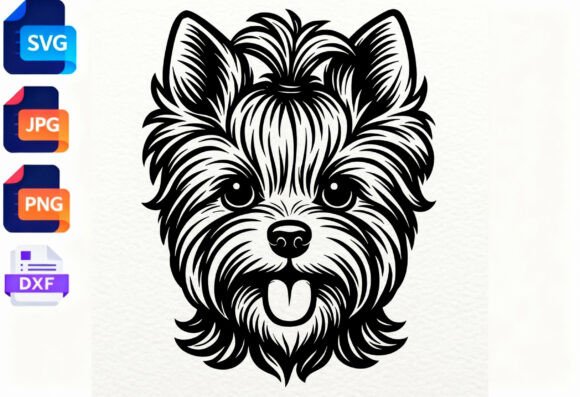
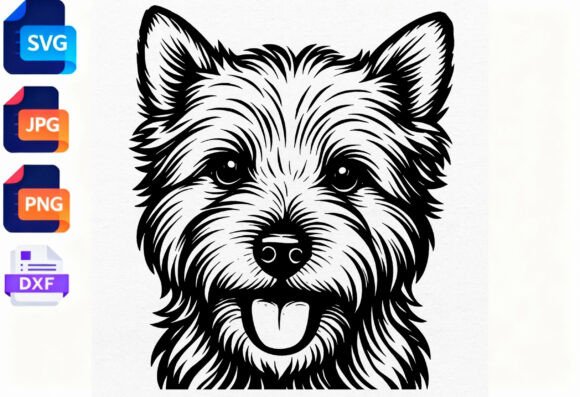
Opening the file, I immediately noticed the clean silhouette and friendly proportions. The Westie is depicted with a perky ear set, a rounded head, and that signature sturdy terrier stance. The overall mood is cheerful, approachable, and slightly playful without being cartoony. That matters if you are embroidering for adults or kids, for a boutique product or a personalized gift.
The design has a moderate level of detail. The face is defined enough to read as a West Highland White Terrier, but it avoids tiny lines that could get lost in fill stitching or satin stitching. The shape feels solid, which is exactly what you want for an embroidery project where thread thickness and fabric texture can blur fine features. Whether you use it as a standalone motif or part of a larger composition, it carries a clean, confident presence.
As part of the Crafts category, this type of Graphics asset is meant to be translated into physical products, and from a designer perspective, the translation looks promising from the start.
Real‑World Test: Embroidering a Custom Tote Bag for a Small Shop Order
I decided to test the Westie Dog SVG Cut File on a project I often get asked for: a personalised tote bag for a dog owner who wanted something more refined than a screen‑printed logo. The bag was mid‑weight cotton canvas in a natural cream colour. I used a medium weight cutaway stabiliser and a 5×7 hoop.
Because the file is provided as an SVG with transparent PNG and EPS, I imported it into my digitising software to generate the embroidery file. The clean vector outline made editing straightforward. I assigned a satin stitch for the outer edge and a light fill stitch for the body, with just two thread colours: white for the coat and a soft grey‑brown for the ear and nose details. The stitch density was manageable, and the design did not require excessive underlay that would stiffen the fabric.
After stitching a test on scrap cotton, I moved to the tote bag. The result was crisp. The satin stitch defined the shape clearly, and the fill stitch gave the body enough texture to feel substantial. The Westie read instantly as a terrier, and the customer loved the handcrafted look. That tote became a talking point at the local farmers market where the customer carried it, and I received three inquiries for similar projects the same week.
This is the kind of real‑world performance that matters for an embroidery design used in custom apparel or handmade product lines. It does not need to be complicated to be effective.
Where This Design Shines – and Where to Think Twice
Based on my testing, the Westie Dog SVG Cut File works beautifully across a range of products, but it is also important to know its limits.
Strong applications
- Sweatshirts and t‑shirts – The moderate detail level stitches well on stable knits. A light stabiliser keeps the shape from distorting. I tested it on a dark grey sweatshirt using white thread, and the contrast was excellent.
- Baby clothes and bibs – The design is small enough for a onesie or baby romper. Because the Westie has a friendly, non‑scary expression, it suits nursery items and baby embroidery projects nicely.
- Tote bags and aprons – As mentioned, the sturdy silhouette holds up on canvas and twill. It also works well on an apron pocket for a dog‑themed kitchen or gift.
- Embroidered patches – The shape is compact enough to be turned into a patch with a satin stitch border. I made a few patches for a dog rescue fundraiser, and they sewed onto jackets and backpacks cleanly.
- Pillow covers and tea towels – For home decor, the design adds a personalised touch without overwhelming the item. A white Westie on a coloured towel looks sharp.
- Holiday gifts and personalised gifts – For Christmas, birthdays, or pet memorial items, the design works as a subtle tribute that feels heartfelt.
Areas requiring caution
- Very small hoop sizes – If you are working with a hoop smaller than 4×4, you may need to scale the design down, and some detail in the face could become crowded. Test at your intended size first.
- Thin or stretchy fabric – On lightweight jersey or silky fabric, the satin stitch may pull if not stabilised well. Use a tear‑away or cutaway stabiliser and reduce stitch density slightly if your software allows.
- Dark fabric with dark thread – The Westie is traditionally white, so if you stitch it on a dark background with white thread, the contrast works fine. But if you try to stitch it in dark thread on dark fabric, the shape could lose definition. Always check contrast before finalising.
- Curved surfaces like caps – The design is not overly tall, so it fits on a cap front, but the satin stitch edge may need adjustment to avoid distortion on the curve. A cap hoop and stiff stabiliser are recommended.
- Dense stitch areas – The fill stitch in the body is not overly dense, but if you scale the design large, monitor stitch count. Very high density can cause fabric puckering on delicate materials.
Practical Notes for Embroiderers and Small Shop Owners
Before you load this embroidery file into your machine for a client order or your own product line, here are some designer insights that will save you thread and frustration.
- Test on scrap fabric first. Every fabric behaves differently. A test stitch on the same material you plan to use tells you everything about stitch quality, tension, and placement.
- Check thread colour contrast. The Westie silhouette works best when the colour differs clearly from the fabric. White thread on cream fabric may look washed out. Use a contrasting shade or outline for definition.
- Review stitch density in your software. If the fill stitch feels too dense for your fabric, reduce it slightly. A density that is too high can cause the fabric to pucker, especially on knits.
- Confirm hoop size. The design fits comfortably in a mid‑sized hoop, but always check the dimensions after importing. Rescaling may affect detail clarity.
- Inspect small details. The face features are not extremely tiny, but if you scale the design down significantly, the eye and nose could become ambiguous. Keep the design at a reasonable size for your project.
- Test black and white mockups. Before stitching, view the design in black and white to see if the shape reads clearly without colour. This helps you spot shape issues that thread colour might otherwise hide.
- Compare light and dark backgrounds. The design will behave differently on white fabric versus navy or black. Stitch a sample on each if you plan to offer multiple colour options.
- Use proper stabiliser. For most woven fabrics, a medium cutaway is safe. For stretchy knits, choose a firmer stabiliser to prevent distortion.
- Check licensing before selling. The product description mentions SVG, PNG, and EPS formats, but you must confirm whether the license covers commercial use of finished products or if it is limited to personal projects. Do your own due diligence before listing items on Etsy or at craft fairs.
How This Design Affects Product Value and Customer Perception
In the world of handmade products and small shop merchandise, the professionalism of your embroidery directly impacts how customers perceive your brand. A design that stitches cleanly, with clear lines and no thread breaks, signals quality. The Westie Dog SVG Cut File delivers that kind of finish when used correctly.
Customers buying a personalised gift or a custom item for their own dog want something that feels special, not generic. The friendly, recognisable Westie silhouette gives the product a sense of thoughtfulness. It is also breed‑specific enough that owners of West Highland White Terriers will immediately feel a connection, which increases giftability and the likelihood of word‑of‑mouth referrals.
For Etsy sellers and digital product sellers, the file works well as part of a design asset bundle. The transparent PNG is useful for printable mockups, helping you show customers how the finished embroidery will look on a tote bag or sweatshirt before they purchase. That kind of visual clarity builds trust and reduces returns.
Final Thoughts on the Westie Dog SVG Cut File for Embroidery Projects
After stitching this design on several different products, I can say it is a solid addition to any embroiderer’s library, especially if you serve dog‑loving customers or want to expand your craft business with themed offerings. It is not an overly complex digitised file, but its strength lies in how reliably it stitches and how clearly it reads as a Westie.
If you are a creative entrepreneur or a hobbyist looking for a design that works across apparel, home decor, and gifts, this file is worth your time. Just remember to test it on your chosen fabric, adjust density if needed, and confirm the license for commercial use. With those steps, you can produce a finished product that feels professional and earns you repeat customers.
The Westie Dog SVG Cut File is not a magic bullet, but it is a dependable, well‑drawn motif that translates effectively from digital screen to stitched reality. For embroiderers who value clean results and happy customers, that is exactly what matters.