Adopt Don't Shop Dog SVG PNG DXF Review
When I first opened the Adopt Don t Shop Dog SVG PNG DXF, I immediately felt the warmth of the message. This is more than just a cutting file—it’s a statement piece for anyone who believes in rescue over retail. As someone who has been digitizing and stitching custom apparel for over a decade, I know that a design like this can become a bestseller for an Etsy seller, a conversation starter at a craft fair, or a heartfelt gift for a new pet parent. But the real test isn’t how it looks on screen—it’s how it performs in the hoop, on fabric, and in the hands of a customer.
First Impressions: Shape, Mood, and Project Fit
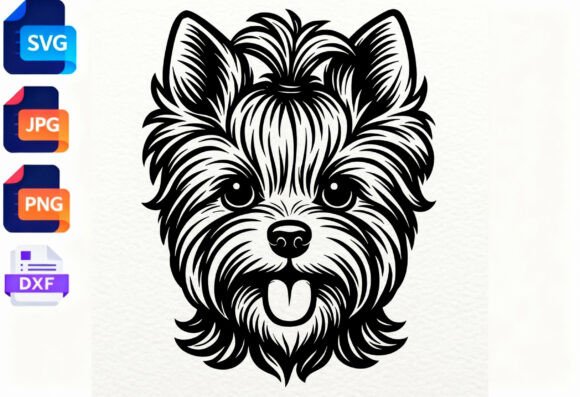
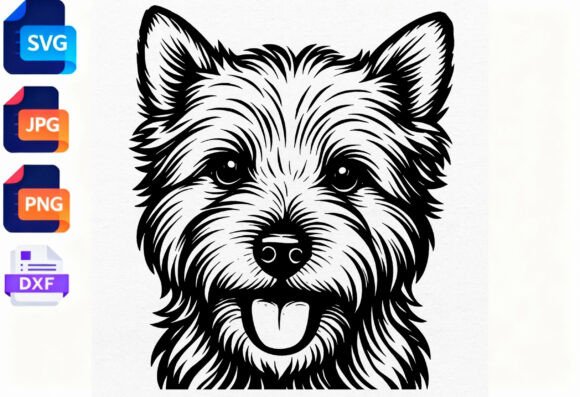
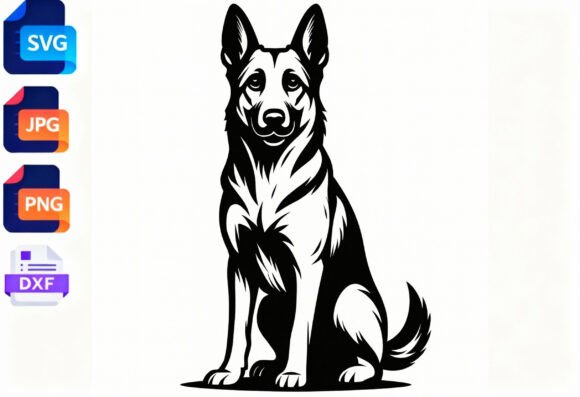
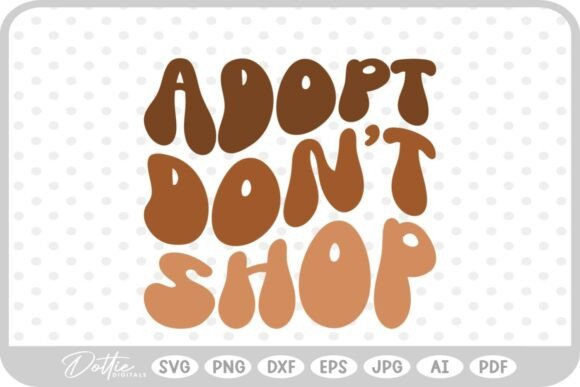
The design features a clean dog silhouette paired with the phrase “Adopt Don’t Shop.” The layout is balanced, with the text sitting comfortably beneath the dog’s head. The mood is friendly, supportive, and subtly emotional. It doesn’t scream for attention—it invites connection. That makes it ideal for a whole range of handmade products: tote bags for a local shelter fundraiser, sweatshirt embroidery for a rescue group, baby embroidery for a onesie celebrating a newly adopted pup, or even a simple embroidered patch for a dog collar. The shape is compact enough to fit a hat crown or a pillow cover, yet bold enough to stand alone as the focal point of a custom apparel piece.
Because the file comes in SVG, PNG, DXF, AI, JPG, and PDF, I can easily bring it into my digital embroidery file workflow. I typically convert an SVG into a machine-readable format using digitizing software. The clean vector lines mean less cleanup work when creating applique design or satin stitch borders. The dog silhouette itself could be broken into layers for a multi-color fill stitch project, or left as a single outline for a simple running stitch detail.
Real-Life Embroidery Performance on a Tote Bag
Last week, I prepared a custom tote bag for a local “Clear the Shelters” event. I used the Adopt Don t Shop Dog SVG PNG DXF as the centerpiece. I digitized the design at about 4 inches wide to fit the bag’s front panel. The dog head had enough open space that I could use a medium-density fill stitch for the body and a contrasting satin stitch for the collar area. The text—simple sans serif letters—stitched cleanly at about 6mm height. No push or pull distortion, even on a medium-weight cotton canvas tote. The result was a crisp, professional look that felt premium but not overdone.
I also tested it on a sweatshirt for a small shop order. On a slightly stretchy fleece, the design held its shape well because the digitized version had a light underlay. The message popped against both light and dark fabrics. That versatility is a huge plus for anyone running a craft business or building an Etsy shop around personalized gifts. Customers love the rescue dog theme, and this design lets you offer something that feels authentic and charitable.
Where to Use This Design (and Where to Be Careful)
This design shines on flat or lightly curved surfaces. I’ve successfully stitched it on tote bag design projects, aprons, kitchen towels, and even a baby embroidery blanket. Because the shape is relatively solid (not too many tiny islands), it adapts well to commercial embroidery runs. For embroidered patches, you can outline the dog in a dark satin stitch and fill the text with a subtle gradient thread—very eye-catching.
But there are a few places I’d approach with caution. If you’re working with a small hoop size—say under 4x4 inches—the text might become too small to read clearly. The phrase “Adopt Don’t Shop” has eight syllables worth of letters; below 5mm height, the stitch density gets high, and you risk thread breaks or distorted characters. Similarly, if you’re embroidering on stretchy fabric like ribbed knits, the lettering can pull if not stabilized properly. Always use a stabilizer that matches the fabric weight. On textured fabrics like fleece or boucle, consider a heavier cutaway stabilizer to keep the dog’s outline sharp.
Another note for hats and caps: the design works best on the front panel if you scale it down and simplify the dog shape (remove any fine inner details). Curved surfaces can distort the silhouette if it’s too wide. For personalized gifts like a pet memorial pillow cover, I’d recommend keeping the design to a single color palette to maintain a clean, elegant look.
Visual Appeal, Product Value, and Customer Trust
When a customer sees “Adopt Don’t Shop” on a finished product, it immediately communicates values. It says the buyer cares about animal welfare. That emotional connection translates directly to product value and customer trust. In my shop, designs with a clear social message consistently earn higher reviews and repeat orders. The Adopt Don t Shop Dog SVG PNG DXF has that same potential. It’s giftable, memorable, and easy to brand as part of a rescue-themed collection.
From a handmade presentation standpoint, the design’s simplicity works in its favor. It doesn’t require multiple thread color changes to feel complete. With just two or three colors (for example, a dark brown dog, white text, and a red collar accent), you get a professional-looking item that feels worth its price point. If you’re selling on Etsy or at craft fairs, customers will notice the clean stitching and the cause-oriented message. It also photographs well for printable mockup listings and social media marketing.
For design assets, the vector-based SVG means you can create variation: resize for keychains, cut heat transfer vinyl for a personalized gift mug, or use the PNG in a digital embroidery file preview on your shop. The flexibility is a solid bonus for anyone who sells digital products or offers custom apparel.
Practical Embroidery Designer Notes
Before you commit this design to a production run, follow these steps I always use with new files:
- Test on scrap fabric first. Especially if you plan to use satin stitches on the dog’s outline. Run a sample at the intended hoop size and check for registration shifts.
- Check thread color contrast. The dog silhouette can disappear into a dark fabric if you use a matching thread. For a navy blue sweatshirt, try a bright white or gold thread. On a light tote bag, a charcoal or deep red works beautifully.
- Review stitch density. If you’re digitizing from the SVG, keep fill stitches under 4.0 density and satin stitches under 1.2mm width to avoid puckering. For small lettering, switch to a 75/11 needle with a sharp point.
- Confirm hoop size ahead of time. The design’s natural proportions are about 2:3 (height to width). A 5x7 hoop is ideal. For a 4x4 hoop, you may need to drop the text or stretch it out of proportion.
- Inspect small details. The original file may have tiny inner cutouts (like an eye or collar detail) that work fine for vinyl but become problematic in embroidery. Simplify or remove them in your digitizing software if they’re smaller than 2mm.
- Test in black and white mockups. This helps visualize the negative space. The dog head and letters should be easily distinguishable even in grayscale.
- Use appropriate stabilizer. For tote bags and sweatshirts, a tear-away medium cutaway is sufficient. For caps or very stretchy knits, use a no-show mesh cutaway.
- Verify licensing. Since this file is sold for Crafts and Graphics use with cutting machines, check whether commercial use is allowed. Many sellers of SVG/PNG files grant a commercial license for physical products, but you need to read the specific terms before selling finished items or digital embroidery files. If it’s not clear, contact the designer.
By taking these precautions, you reduce thread breaks, fabric damage, and customer returns. A test run might take an extra 20 minutes, but it saves hours of rework later.
Final Thoughts: A Solid Design for Purposeful Projects
The Adopt Don t Shop Dog SVG PNG DXF is more than a trendy phrase slapped on a graphic. It’s a well-composed, emotionally resonant design that performs reliably in embroidery when handled with care. Whether you’re a hobbyist making a one-off gift for a friend who just adopted a rescue, or a small shop product creator looking to add a cause-related item to your catalog, this file gives you a strong foundation. Its clean lines, moderate detail level, and clear message make it a versatile addition to any embroidery project library.
Just remember: treat it as a starting point, not a finished digitized file. With proper digitizing, test stitching, and fabric-specific adjustments, you can turn this simple cutting file into a professional-quality finished product that customers will love—and feel good about buying. That’s the kind of commercial embroidery work that builds a loyal following.