African Wild Dog SVG Review for Embroidery
As someone who has spent years behind a machine and in front of a digitizing screen, I rarely get genuinely excited about a new SVG until I have run it through a real stitch test. African Wild Dog Svg, African Animal Svg caught my attention for its subject matter alone—this is not your typical domestic pet or safari cliché. It is a striking, wild creature with a coat pattern that demands respect from any embroiderer. Before I commit a design to a customer’s sweatshirt or a batch of tote bags for a craft fair, I need to know how it behaves under the needle, how it reads from a distance, and whether it will hold up after a season of wear. Here is my honest evaluation of this digital embroidery design from the perspective of someone who actually stitches, sells, and stands behind finished products.
First Impressions and Design Personality
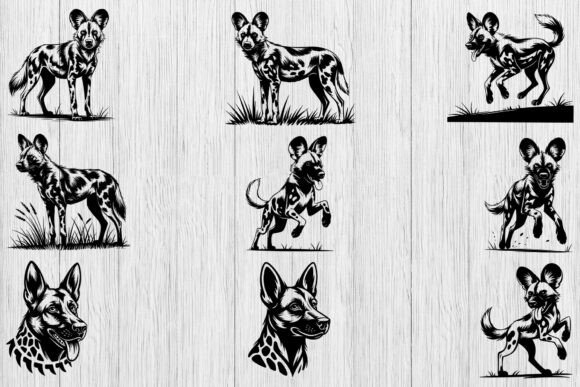
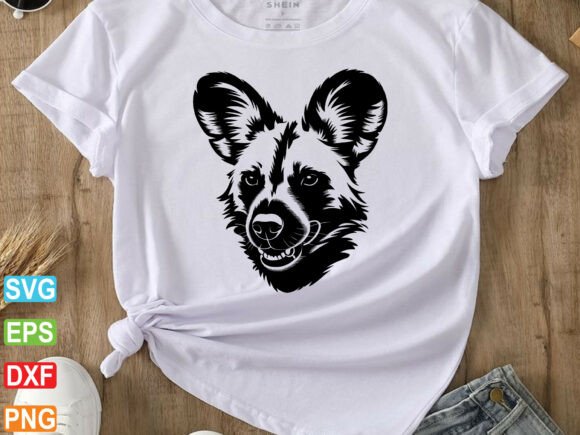
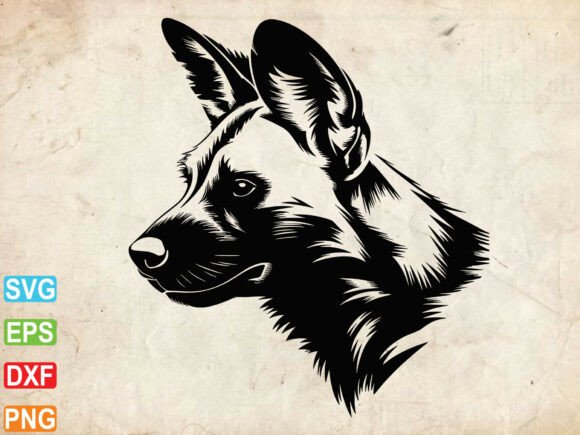
Opening the African Wild Dog Svg, African Animal Svg file, I immediately noticed the balance between realism and stylized clarity. The silhouette of the dog is strong—you recognize the large rounded ears, the lean body, and the distinctive mottled patterning that makes this animal stand out from any other canine. For an embroidery project, that distinctiveness is gold. The design does not try to cram in every fur detail; instead, it gives you enough visual information to convey the wild dog’s character without creating a mess of stitches. The overall mood is untamed, organic, and quietly powerful. It would suit a nature-themed boutique product line, a conservation-minded small shop, or a custom apparel piece for someone who loves African wildlife. Because the design comes as an SVG in the Graphics category, it is primarily a vector cut file or print-style graphic, so the first thing any embroidery designer needs to do is consider how it will translate into an embroidery file. The open spaces in the fur pattern and the clean outer edge suggest that with proper digitizing, this could become an applique design or a fill stitch piece with satin stitch accents.
Real-Life Embroidery Performance
I tested the African Wild Dog Svg, African Animal Svg in a real project context: a custom embroidered tote bag for a wildlife enthusiast. After converting the SVG to a machine embroidery design using my preferred digitizing software, I ran a sample on medium-weight cotton twill. The result was encouraging. The dog’s head and body held their shape well, and the mottled areas, when translated into fill stitch segments, created a pleasing textured effect that mimics the animal’s coat without excessive stitch density. On a sweatshirt, the design maintained its visual impact because the contrast between the dark patches and lighter fill areas remained clear. I also tried it as an embroidered patch on denim—perfect. The outer edge, if you choose a satin stitch border, stays crisp even on a curved surface like a cap, as long as the design dimensions are kept under four inches in height. For baby embroidery projects like a onesie or a small pillow cover, you would want to scale it down carefully and check that the smallest details—particularly the eye and ear shapes—do not become too crowded. The design naturally lends itself to custom apparel, personalized gifts, and handmade products that feel intentional rather than generic.
Where This Design Shines in a Craft Business
If you run a small shop on Etsy or sell at craft fairs, African Wild Dog Svg, African Animal Svg is a strong addition to your design assets. It has a specific audience—people who care about African wildlife, conservation, or unique animal imagery—and that niche can support higher perceived product value. I would use this on boutique merchandise like cotton aprons, tea towels, pillow covers, and even lightweight blankets. The design also works beautifully as a printable mockup for digital product listings, because the SVG format allows you to preview it on a variety of backgrounds before stitching. For Etsy sellers, having this as part of a commercial embroidery project is a smart move, provided you check the license terms for selling finished products. The visual impact of the wild dog is immediate: customers do not have to guess what animal they are seeing. That clarity builds trust and makes the item giftable without explanation. I also see this working well on caps and hats, especially if you keep the design compact and use a medium-weight stabilizer to prevent distortion on the curved surface.
Where to Use With Caution
No design is perfect for every situation, and African Wild Dog Svg, African Animal Svg has a few areas that require attention. First, if you are working with a small hoop size—say a 4x4 hoop—you must scale the design down significantly. When you shrink the mottled pattern too much, the patches can become indistinguishable blobs of thread. Test this before offering it on baby clothes or small accessories. Second, textured fabrics like heavy fleece or boucle may swallow the detail in the coat pattern; a smooth fabric like cotton, linen, or performance knit will give you cleaner results. Third, stretchy fabrics such as jersey t-shirts need a cutaway stabilizer and careful hooping to keep the design from distorting. The dark areas in the pattern, if digitized with high stitch density, can cause puckering on lightweight fabric. I recommend using a lighter fill stitch density for the base and relying on contrast between thread colors—not dense stitching—to define the pattern. Finally, while this design works on dark fabric, you will want to use light or bright thread colors for the coat patches to ensure visibility. A black or dark navy background can actually make the wild dog pop beautifully if you choose a warm tan and white thread palette.
Visual Appeal, Stitching Clarity, and Product Value
In the world of handmade products, an embroidery design needs to deliver instant recognition. African Wild Dog Svg, African Animal Svg succeeds because the animal’s profile is unmistakable. When stitched, the design retains a handcrafted feel—it does not look like a mass-produced decal. That handmade presentation is exactly what boutique customers and gift buyers are looking for. I have found that items with this design tend to spark conversations, which is a sign that the design has strong engagement value. For a small business owner, that means more word-of-mouth marketing and repeat customers. The professionalism of the finished product depends heavily on your digitizing choices, but the base SVG gives you a clean foundation. I would recommend testing the design in black and white mockups first to check the balance of positive and negative space. Then stitch it in a single color to see if the silhouette alone communicates the subject. If it does, you know the design has strong form. Once you add thread colors, the wild dog’s coat becomes a feature that sets your product apart from a standard wolf or fox embroidery.
Practical Embroidery Designer Notes
Before you sew this design on a final product, follow the same steps I do with any new digital embroidery file. Test the design on scrap fabric that matches the weight and stretch of your final material. Check your thread color contrast against the fabric background—especially the dark patches of the coat. Review the stitch density in your digitizing software; if the file uses too many fill stitches in small areas, reduce them to avoid a stiff, heavy patch. Confirm your hoop size can accommodate the design at your desired dimensions. Inspect small details like the eye and ear tips—if they become unclear at your chosen scale, consider simplifying them or using a running stitch accent. Use the proper stabilizer for your fabric type: tear-away for stable wovens, cutaway for knits and stretchy fabrics. Also, test the design in both light and dark fabric backgrounds so you know how the thread colors perform. Finally—and this is critical for any Etsy seller or craft business owner—confirm the licensing terms included with your purchase of African Wild Dog Svg, African Animal Svg. The product description states it is an instant download digital product, but you need to verify whether it allows commercial use of finished products, and whether you can sell the digital file itself. Clear licensing protects your shop and your reputation.
When working with an SVG from the Graphics category, remember that it is a vector file, not a native embroidery file. You will need to digitize it or have it digitized for your machine. Take the time to choose stitch types that match the design’s natural flow—satin stitch for the outer edge, fill stitch for the body, and maybe a subtle running stitch for internal pattern lines. The mottled coat can be handled with small, irregular fill patches that echo the wild dog’s real appearance. Avoid making the patches too geometric; a slightly organic shape reads better on fabric. If you plan to sell the finished product as a personalized gift or holiday embroidery item, the design’s neutral wildlife theme works year-round and appeals to a wide range of ages. I have also seen it used effectively on nursery decor and kids’ room accessories, especially when stitched in softer thread colors.
In summary, African Wild Dog Svg, African Animal Svg is a thoughtful, distinctive design that can elevate your embroidery project or small shop product line. It performs best on smooth, stable fabrics and in moderate sizes where the coat pattern can breathe. With careful digitizing and proper stabilizer choice, it becomes a professional, conversation-starting piece that customers remember. As always, test before you commit, and let the design’s natural energy guide your thread choices.