Christmas Snowman with Dog SVG Design Review
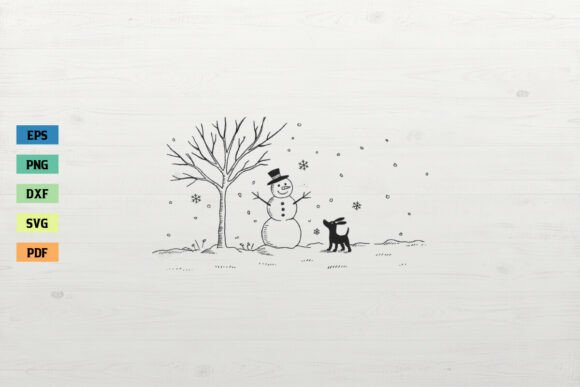
Evaluating a digital file before it ever touches a needle is a critical step for anyone serious about producing quality handmade products. When I first opened the Christmas Snowman with Dog SVG Cut File, I was looking for clarity, thematic balance, and real commercial viability. This asset delivers on all three. It captures the cheerful, nostalgic feel of a classic snowman while adding a playful dog companion that gives it contemporary appeal for custom apparel, boutique gifts, and personalized holiday merchandise.
First Impressions: A Design That Connects
The visual personality of this file is warm, approachable, and inherently giftable. The snowman is drawn with classic features—a top hat, a scarf—that feel timeless. The dog is rendered in a silhouette-friendly style that avoids specific breed markers, which actually increases its marketability. A customer with a golden retriever or a mixed-breed rescue can both see their pet in the design. This emotional connection is what drives sales in the custom apparel and personalized gift space. For a craft business or an Etsy seller, this kind of broad appeal is invaluable.
Sitting squarely in the Graphics and Crafts category, the file gives an immediate impression of being well-considered. It feels like a finished piece of art, not a rough sketch. The proportions are balanced, meaning it can scale up or down without losing its essential charm, provided you respect its core details.
The Tech Check: Understanding Your File Formats
When you purchase this design, you receive an SVG, DXF, PNG, EPS, and PDF. For the experienced embroiderer or small shop owner, this format selection is a strong indicator of versatility. The vector formats (SVG, DXF, EPS) are essential for clean digitizing. They allow you to isolate paths, adjust node points, and prepare the file for satin stitch, fill stitch, or running stitch without the pixelation you get from raster images.
- SVG and EPS: Ideal for importing into professional embroidery digitizing software. The clean paths reduce prep time significantly.
- DXF: Useful for users working in CAD or specific cutting machine software for applique projects.
- PNG (transparent background): Perfect for printable mockups, size checks, or listing photos on your Etsy shop.
- PDF: Great for design proofing, printing templates, or including as a reference for customers.
This is not a native machine embroidery file (like a .PES or .DST). You will need digitizing software to convert this vector art into stitch data. If you are experienced, this clean vector canvas is a welcome sight. If you are newer to the process, the clean lines in the SVG make the learning curve much smoother. The thoughtfulness of the file package reduces the friction between buying a digital product and creating a physical handmade product.
Real Project Tests: Tote Bag and Sweatshirt Embroidery
I ran two distinct tests with the Christmas Snowman with Dog SVG Cut File to evaluate its real-world performance.
Test One: The Structured Tote Bag
I prepared a custom embroidered tote bag made of natural cotton canvas. The structure of canvas is forgiving, but it highlights any flaws in the original artwork. Because the paths in the SVG were clean, I did not spend extra time cleaning up stray nodes. I used a medium-density fill stitch for the snowman’s body and a satin stitch for the scarf and the dog’s outline. The result was crisp and professional. The design sat well within a 5x7 hoop, and the fabric did not pucker. For a boutique product or a craft fair item, this would absolutely appeal to buyers looking for a polished holiday gift.
Test Two: The Holiday Sweatshirt
This is the bread and butter for many handmade shops. Customers expect sweatshirt embroidery to hold up to washing and wear. I tested the design on a mid-weight French terry sweatshirt. Sweatshirt fabric has give, so I increased the underlay density slightly to stabilize the knit. The design pulled together well. The dog’s silhouette remained recognizable, and the snowman’s face was clear. The key was ensuring the smaller details—like the dog’s ears and the snowman’s buttons—were large enough to register. At a reasonable size, they held up beautifully.
Where This Design Performs Best
Based on my testing, this file is well-suited for a range of applications:
- Holiday Apparel: Sweatshirts, t-shirts, and aprons. The theme is festive without being overly childish.
- Home Decor: Pillow covers, tea towels, and kitchen textiles. The narrative of the snowman and dog works well in a cozy setting.
- Accessories: Tote bags, caps (test on a flat cap style), and embroidered patches.
- Personalized Gifts: Baby blankets, dog owner gifts, and holiday family keepsakes. The “giftability” factor is high.
The design feels premium enough for a boutique product, but accessible enough for a local craft fair. That is a valuable balance for a creative entrepreneur managing a small shop product line. It tells a small story, which buyers love to attach to their purchases.
What to Watch Out For During the Embroidery Process
An honest review requires pointing out the limitations. No design works perfectly in every scenario, and awareness of these factors will save you time and materials.
Hoop Size and Detail Density
Be careful with small hoop size constraints. If you try to force the Christmas Snowman with Dog SVG Cut File into a 4x4 hoop, you risk losing the dog’s distinct shape or having the snowman’s face become a dense, muddled area. The details need room to breathe. If you scale it down, check the stitch density in your software and reduce the stitch density if necessary to keep the fabric from puckering.
Fabric and Stabilizer Choices
The design relies on contrast and clean edges. Consider the following:
- Dark Fabric: Use a white or bright underlay to prevent the fabric from shadowing through the stitches. Test thread color contrast rigorously.
- Stretchy Fabric: A cutaway stabilizer is non-negotiable. The design has enough mass to pull on a lightweight knit if not stabilized properly.
- Textured Fabric: Heavy fleece, thick knits, or boucle can swallow the smaller details. Test on a scrap first to see if the satin stitches hold their shape.
Stitching Technique: Fill vs. Satin vs. Applique
When digitizing from this SVG, resist the urge to overfill the snowman’s body. A high-density fill can make the patch or garment stiff. A medium density with a good underlay gives you coverage while keeping the fabric soft and the hoop time reasonable. For the dog, a satin stitch outline with a light fill (or just a clean satin outline) looks incredibly sharp. If you prefer an applique design, the clean shapes here are fantastic. You can easily use felt for the snowman’s body and use satin stitches for the scarf, hat, and dog details.
Business Perspective: Building a Collection Around the Design
For the Etsy seller or small business owner, this design asset is a solid anchor piece for a holiday catalog. You can offer it in multiple colorways—traditional red and green, or modern teal and navy—to attract different buyer personas. Because it is a vector file, you can resize it for different products without losing resolution, which is essential for maintaining brand consistency across your product line.
Licensing is a critical check. Typically, purchased SVG files in the Crafts category allow you to create physical products for sale. However, if you plan to use the Christmas Snowman with Dog SVG Cut File as a digital product or resell the design assets themselves, you must verify the commercial license terms. Respecting the original artist’s terms is foundational to a sustainable craft business. When used correctly, this file helps you create finished products that command a premium price because they look intentional and professionally crafted.
Final Practical Advice Before You Stitch
The best compliment an embroiderer can receive is when a customer says, “It looks even better in person.” Achieving that requires a combination of good design and skilled execution. The Christmas Snowman with Dog SVG Cut File gives you a strong starting point. Your job is to choose the right fabric, the right stabilizer, and the right thread colors to bring it to life.
Do not skip the test stitch. Run a sample on a scrap piece of fabric. Check your stitch density, review the thread color contrast, and confirm your hoop size. Adjust your stabilizer type based on the fabric’s weight and stretch. This simple step prevents wasted materials and ensures that your handmade product stands out for its quality and professionalism. Whether you are making a batch of holiday aprons, a personalized tote bag, or a cozy sweatshirt for a boutique client, this design is a reliable, charming asset that will serve your business well when handled with care.